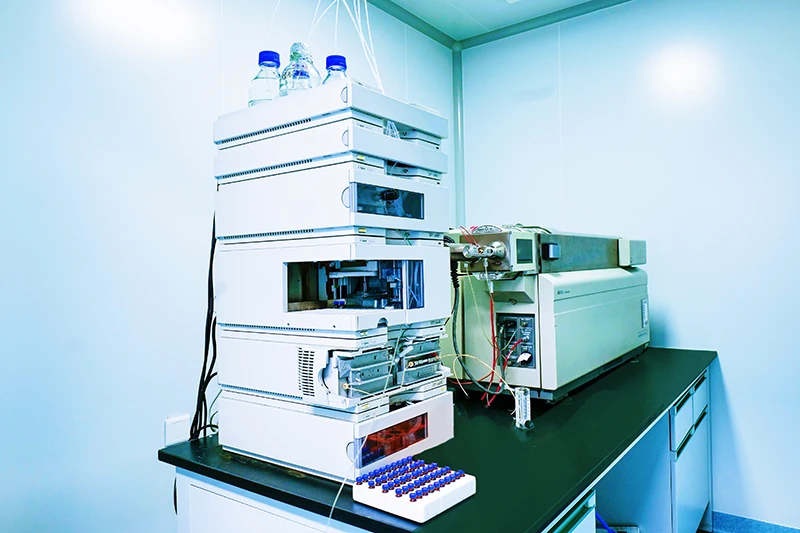
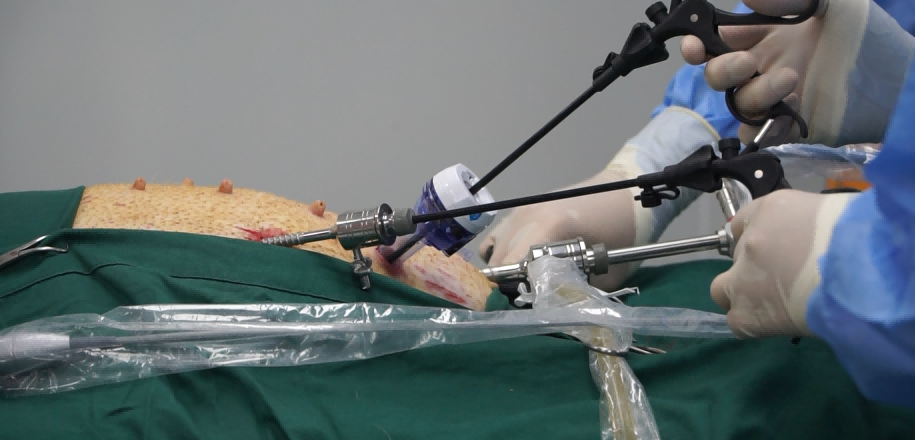
Bringing a new therapy to patients requires a deliberate, evidence-based journey. Preclinical research forms the critical foundation of this path. Before a novel drug or medical device enters human clinical trials, scientists must first rigorously evaluate its safety and biological activity. Researchers use animal models in this phase to predict how a therapy will interact with the human body and to identify potential side effects early.
Selecting Your Preclinical Model: Why Size and Species Matter
Selecting an appropriate model is a pivotal scientific decision. While small laboratory animals are excellent for initial, high-throughput discovery, their biological scale and physiology often differ significantly from humans. For definitive studies that guide clinical decisions, scientists need a more translationally relevant system. This is where large animal models provide an essential bridge.
The sheep model, formally known as the ovine model, has become a preferred choice for advanced preclinical testing. Its established predictive value makes it a mainstay in the development pipelines of major pharmaceutical companies and top research institutions, both within the United States and internationally.
Key Advantages of the Ovine Model in Translational Science
Scientists select sheep for biomedical research based on compelling anatomical and physiological parallels with humans.
Orthopedic & Skeletal Fidelity: Sheep share highly similar bone size, density, and healing mechanisms with humans. This makes the ovine model a gold standard for orthopedic research, particularly for testing load-bearing implants.
Cardiovascular Relevance: The sheep heart and circulatory system closely match human scale and function, providing an ideal environment for evaluating cardiac devices.
Respiratory Comparability: Sheep lungs mirror human lung structure and capacity, making them powerful models for studying pulmonary diseases.
Practical Research Benefits: The animal's size allows for testing full-scale implants, repeated clinical sampling, and detailed longitudinal imaging.
Core Applications: How Sheep Models Drive Medical Innovation
The sheep model plays a central role across multiple domains of drug development and medical device innovation.
1. Orthopedics, Bone Regeneration, and Medical Device Testing
Ovine models are considered the gold standard for preclinical orthopedic research. Their biomechanical and biological environment allows for the robust evaluation of:
- Spinal implants, artificial discs, and spinal fusion techniques.
- Hip, knee, and other joint replacement systems.
- Bone graft substitutes, biodegradable scaffolds, and fracture fixation devices.
- Dental implants and craniofacial reconstruction materials.
The ability to assess device performance, osseointegration, and long-term stability under clinically relevant loading conditions provides data that regulatory bodies regard with high confidence.
2. Cardiovascular Device Development and Surgical Innovation
The ovine cardiovascular system is a preferred platform for testing:
- Surgical and transcatheter heart valves.
- Coronary and peripheral stents.
- Vascular grafts and anastomotic devices.
- Electrophysiology devices and left ventricular assist devices (LVADs).
These studies are crucial for evaluating implantation techniques, hemodynamic performance, thrombogenicity, and long-term device integrity.
3. Pulmonary Disease Modeling and Therapeutic Assessment
Sheep are instrumental in advancing respiratory medicine through:
- Modeling acute lung injury (ALI), ARDS, and fibrosis.
- Developing and testing novel ventilator modes and respiratory support devices.
- Evaluating the efficacy and distribution of inhaled pharmaceuticals.
- Studying the pathophysiology of pulmonary hypertension and other chronic conditions.
4. Dental and Craniofacial Research
The sheep mandible and maxillofacial structure provide a clinically relevant model for:
- Assessing dental implant osseointegration and stability.
- Testing bone augmentation materials and guided bone regeneration.
- Evaluating biomaterials for craniofacial defect repair.
5. Neuroscience and Neurological Device Evaluation
With a cranial size suitable for surgical access, sheep are gaining traction in:
- Modeling traumatic brain injury and intracranial pressure dynamics.
- Testing neuromodulation devices (e.g., for deep brain stimulation).
- Evaluating neural interfaces and brain-computer interface components.
6. Dermatology and Wound Healing Research
The structural similarity of sheep skin to human skin supports research in:
- Advanced wound dressings and burn treatments.
- Dermal regeneration templates and skin substitutes.
- The healing dynamics of acute and chronic wounds.
7. Reproductive Biology and Endocrinology
Sheep are well-established models in reproductive research due to their characterized estrous cycles and placental structure, aiding studies in:
- Assisted reproductive technologies (ART) and fetal development.
- Placental function and pregnancy-related disorders.
- Hormonal regulation and endocrine therapies.
8. Infectious Disease and Immunological Studies
Their adaptable immune system and manageable size make sheep suitable for:
- Modeling zoonotic and respiratory infections.
- Vaccine efficacy and safety testing.
- Studying host-pathogen interactions and immunotherapeutic agents.
Best Practices for Designing Successful Ovine Model Studies
Successfully leveraging the ovine model requires careful planning and execution. Here are key considerations for researchers:
Select the Appropriate Breed and Age: Match the breed and age to your research question (e.g., skeletally mature ewes for orthopedic studies).
Design for Longitudinal Data Collection: Capitalize on the model's size for serial blood draws, imaging, and clinical observations to generate rich, within-subject data.
Prioritize Refined Surgical Protocols: Develop techniques that minimize tissue trauma and implement comprehensive post-operative care.
Contextualize Your Data: Explicitly discuss the translational relevance and limitations of the sheep model for your specific application.
Conclusion: The Ovine Model as an Indispensable Partner in Translational Science
The sheep model remains a vital, trusted partner in turning laboratory discoveries into real-world cures. By offering a unique blend of human-like biology and practical research utility, the ovine model empowers researchers to make confident, data-driven decisions during preclinical research.
The HuaTeng Biotechnology Approach – Plan Your Preclinical Testing with Us
At HuaTeng Biotechnology, we understand the complexities of preclinical research and the critical role that animal models play in ensuring the safety and efficacy of medical devices and drug candidates.
Whether you are preparing for FDA animal studies for medical devices or need expert guidance on preclinical drug development, we provide comprehensive testing services tailored to your needs.
Ready to begin your preclinical testing journey?
[Contact HuaTeng Biotechnology] today and let us help you turn your research into success.