RESOURCES
Company News
Learn about Huateng's latest developments, industry news, and research findings
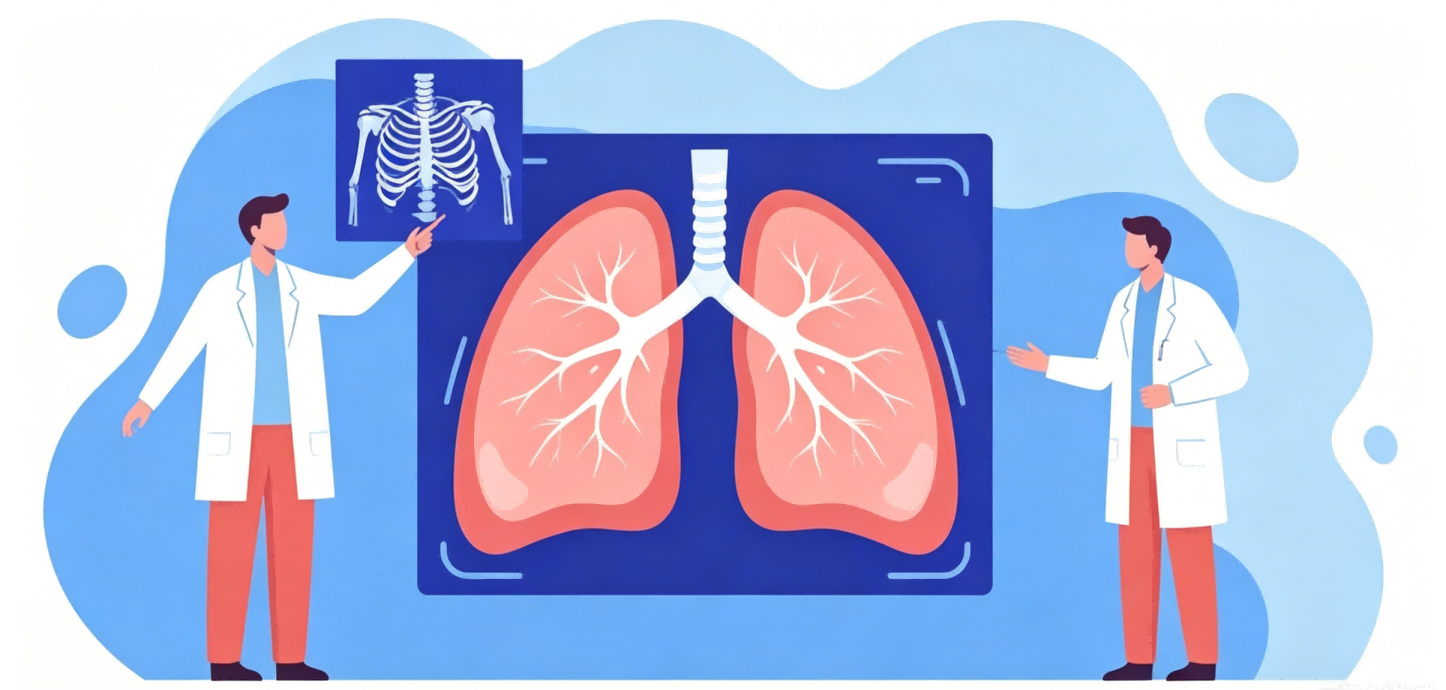
Advancing Respiratory Medicine: A Strategic Guide to High-Fidelity Preclinical Models
Accelerate your respiratory drug and medical device development. Discover HuaTeng Biotechnology’s high-fidelity respiratory models, including advanced bronchoscopy, imaging, and pulmonary function testing.
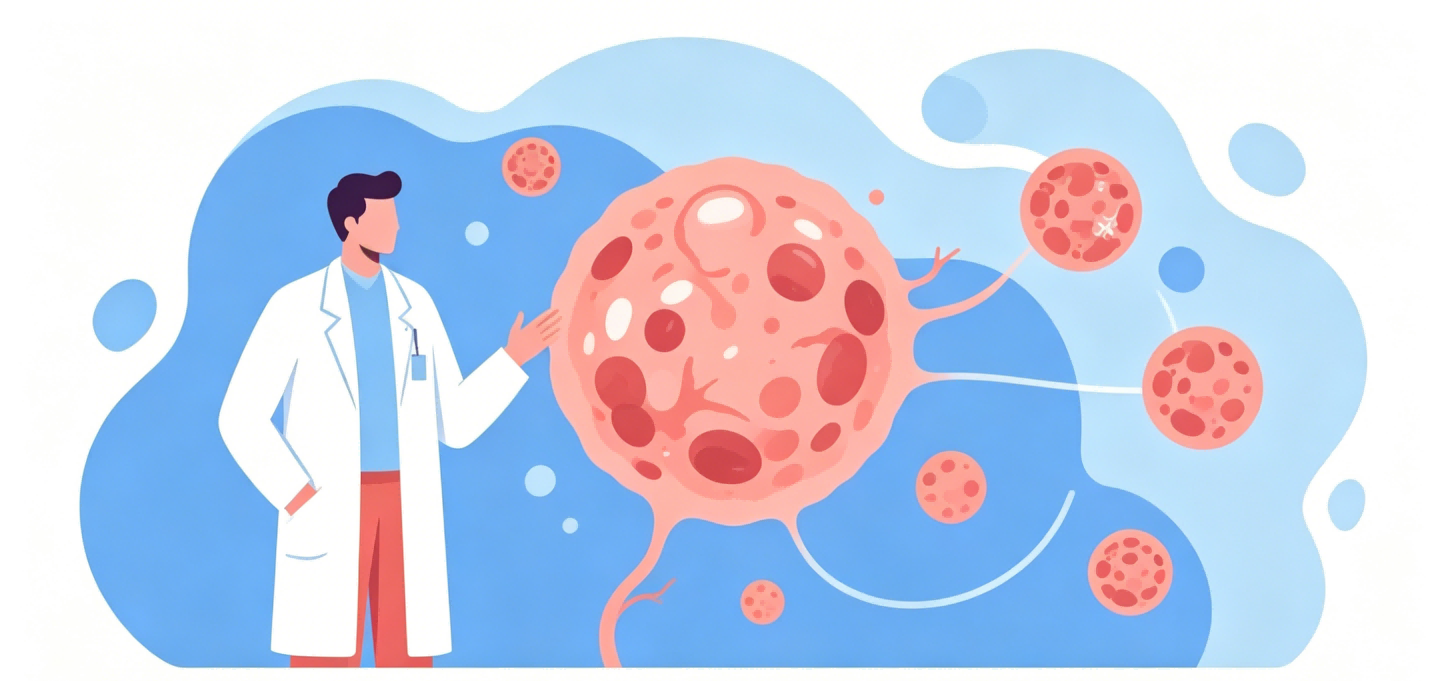
Oncology Preclinical Research Guide: Optimizing Translational Success in Drug & Device Development
In oncology drug and device development, the mission is no longer just to prove that a therapeutic candidate reduces tumor size—it is to determine how it functions within the complex architecture of human disease.

Harnessing Metabolic Parity: Why Large Animal Models are Essential for Endocrine Innovation
The endocrine system is a delicate web of feedback loops that regulate homeostasis. For biopharmaceutical innovators, the transition to large animal models (porcine, ovine, and non-human primates) is the most effective way to simulate human-like glucose kinetics, lipid metabolism, and hormonal regulation, ensuring that only the most viable candidates proceed to the clinic.
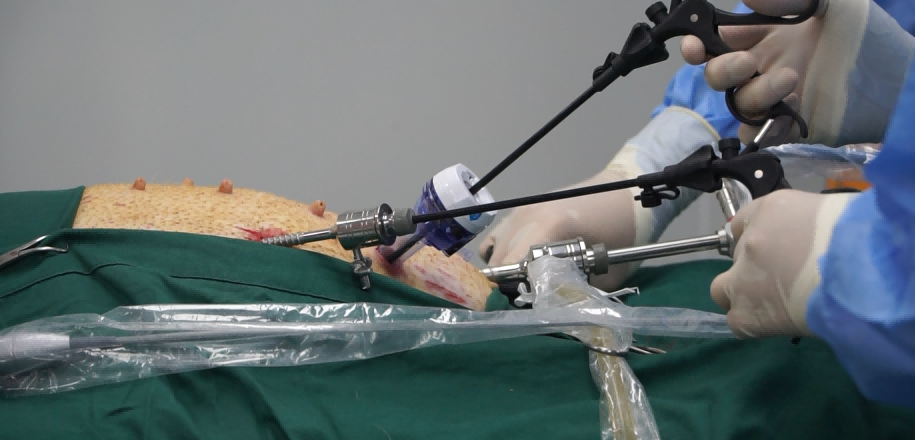
Meeting MDR with Confidence: The Preclinical Science Behind Medcaptain’s Endoscopy System
HuaTeng Biotechnology provided the large animal studies, biological safety evaluations, and surgical performance data that helped make this achievement possible.

Precision Neuroscience: Driving CNS Innovation via High-Fidelity Large Animal Models
Accelerate your CNS drug and device development. Learn why large animal models (NHP, porcine, canine) are essential for overcoming the translational gap in stroke, PD, AD, and spinal cord injury research.
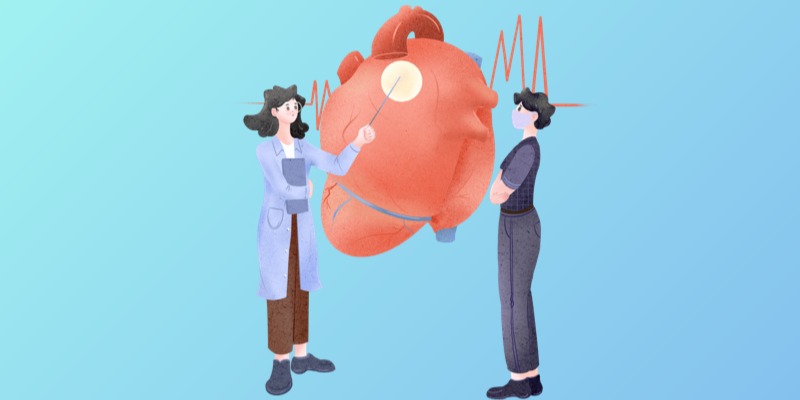
Precision Cardiac Translation: Harnessing Large Animal Models for Cardiovascular Breakthroughs
Discover why large animal models (porcine and ovine) are essential for cardiovascular preclinical trials. Learn how a specialized Cardiovascular CRO can de-risk your FDA/CE mark submissions with high-fidelity hemodynamic data and clinical-grade surgical expertise.

Bridging the Gap: The Critical Role of Large Animal Models in Bone Scaffold Biocompatibility Testing
Maximize translational success for your bone scaffolds. Our AAALAC-accredited CRO provides expert large animal models and non-decalcified histology to ensure your device meets FDA/CE standards.

Data Confidentiality & Intellectual Property Protection
At HuaTeng Biotechnology, data confidentiality and intellectual property (IP) protection are fundamental to our role as a contract research organization (CRO). We understand that preclinical data generated during animal studies represent critical scientific, commercial, and regulatory assets for our sponsors.

Choosing the Best Large Animal CRO: A Strategic Guide to IND Success (Beyond the Price Tag)
In the complex journey of drug discovery and biomedical research, the transition from the bench to human clinical trials is the most precarious stage of preclinical development. For pharmaceutical companies, selecting the right animal model is not just a regulatory box to check; it is a critical mission to validate the safety of promising drug candidates.

Guinea Pig Models: A High-Fidelity Translational Bridge for Immunology and Respiratory Research
Learn how guinea pig models support immunology, respiratory disease, vaccine development, and ISO 10993 medical device testing. HuaTeng Biotechnology provides expert CRO guinea pig studies, including respiratory disease models, biocompatibility testing, cochlear implant surgery, and vaccine safety assays.
Mouse and Rat Models in Biomedical Research:Your Strategic Path Through IND-Enabling Studies
Explore the strategic value of mouse and rat models in biomedical research and preclinical drug development. Learn how genetically engineered models, humanized mice, and specialized in vivo applications support IND-enabling studies in oncology, metabolic disease, and behavioral neuroscience at HuaTeng Biotechnology.

Rabbit Models in Biomedical Research: Strategic Insights for IND-Enabling Studies and Device Evaluation
Rabbit models in biomedical research, specifically the New Zealand White (NZW) and the Watanabe Heritable Hyperlipidemic (WHHL) rabbit, serve as a sophisticated biological bridge. They connect early-stage laboratory animal testing to the ultimate goal: human clinical trials.