Have you ever encountered a situation where a drug or a medical device that works well in a rodent model fails when tested in higher-order animal models or clinical trials?
The problem often isn't the product itself, but the choice of animal model.
In biomedical research, selecting the right model is a fundamental aspect of scientific research and can be the key to a successful study, whether for pharmaceuticals or medical devices. This article will walk you through the most common types of animal models, their ideal use cases, and essential factors to consider when choosing the right model for your research, helping you improve both reproducibility and translational success.
Common Animal Models and Their Application Areas
Mouse/Rat Models: Versatility and Genetic Manipulation
Mice and rats are the most widely used laboratory animals, particularly in biomedical research, pharmacology, and genetic studies. Their small size and short lifespan allow researchers to quickly observe biological changes, which is crucial for initial safety testing, drug tests, and preliminary biocompatibility assessment of medical devices. However, while they offer great flexibility, their physiological differences from humans can limit their applicability, a key consideration in the debate on animal testing pros and cons.
Large Animal Models (e.g., Pigs, Dogs, Sheep): Translational Value
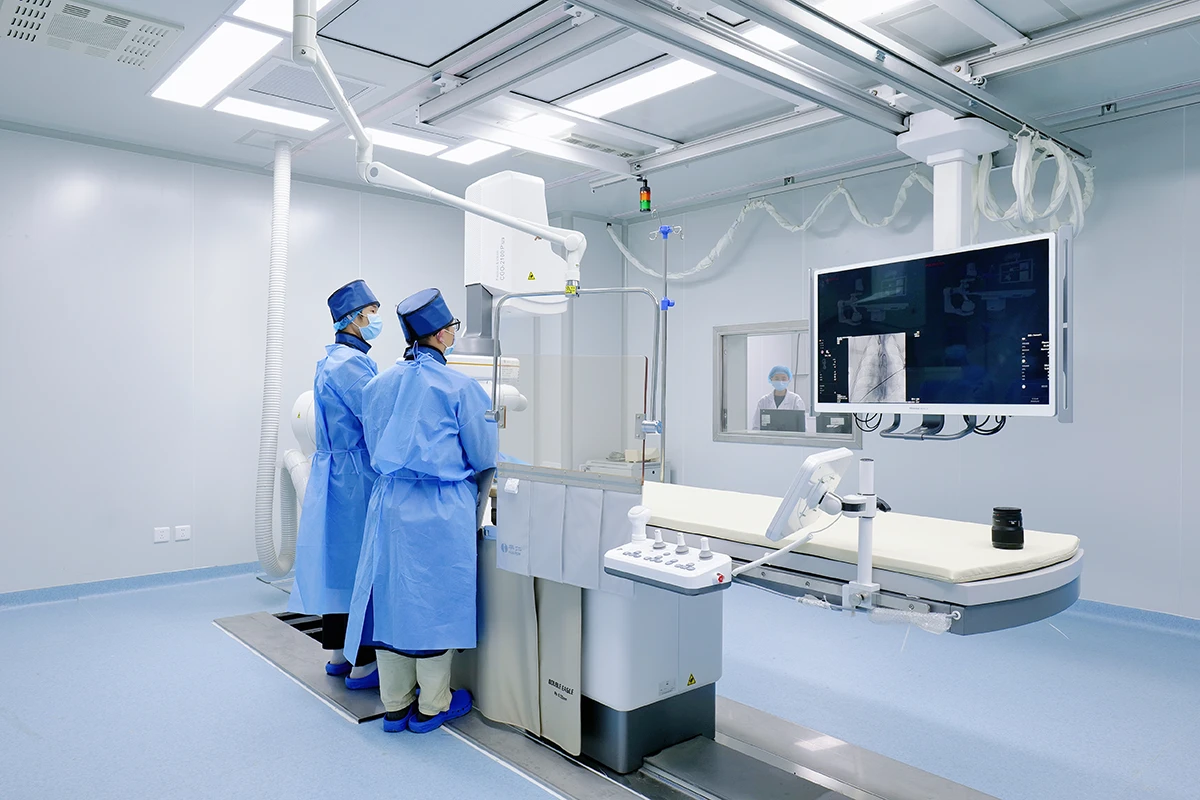
Larger animals such as pigs and dogs play a critical role in studies where their systems are more similar to humans. Their physiological systems provide greater translational value for drug tests and are indispensable for evaluating the safety and performance of medical devices—such as cardiovascular stents or orthopedic implants—where anatomy, size, and healing processes must closely mimic human conditions. However, the use of these animals in laboratories involves higher costs and significant ethical considerations.
Non-Human Primates: The Gold Standard for Complex Research
Non-human primates are considered the gold standard in neuroscience and complex disease research due to their close genetic relationship with humans. Their use is often essential for studies of sophisticated medical devices like neural implants. However, due to ethical concerns about the extent to which animals suffer, their use is highly regulated, especially in the United States, and the scientific community actively pursues alternatives to animal testing for such models.
Five Key Factors to Consider When Selecting an Animal Model
1. Research Objective: Pharmaceuticals vs. Medical Devices
The primary research goal dictates the model choice. For drug discovery and animal research on disease mechanisms, genetically modified rodents may be ideal. For medical device evaluation, larger animals like pigs or sheep are often necessary to adequately test device dimensions, implantation procedures, and integration with biological tissues in a setting similar to humans.
2. Disease Pathology Mimicry and Model Validation
It's essential to assess how well the model mimics the human condition. This involves evaluating face validity (similar symptoms), construct validity (shared underlying mechanisms), and predictive validity (reliably forecasting human outcomes). Strong predictive validity is a critical goal in animal experimentation, whether for a new drug or a medical device.
3. Genetic Background and Control
The genetic background of the laboratory animals affects the stability and reproducibility of your research. Understanding how the model's genetics align with human biology is crucial for the validity of your animal experiments.
4. Ethics and the 3Rs (Replace, Reduce, Refine)
Ethical considerations are paramount in animal research. The 3Rs principle—Replace (using human cells, computer simulations, or other alternatives to animal testing where possible), Reduce (minimizing the number of animals in laboratories), and Refine (improving test methods to minimize suffering)—should guide your decision. This is especially critical in testing that may cause animals suffer.
5. Regulatory Pathway and Practical Constraints
Larger animals or specialized models may offer better translatability but can be more expensive and time-consuming. Furthermore, regulatory approvals for both drugs and medical devices often require specific animal research data obtained under Good Laboratory Practice (GLP) conditions. Balancing the ideal model with your project's budget, timeline, and regulatory requirements is essential.
The HuaTeng Biotechnology Approach – Our Expert Consultation Process
At HuaTeng Biotechnology, we understand that every research project, be it for drug development or medical device innovation, is unique. Our personalized consultation services help researchers navigate animal testing pros and cons to select the most suitable model. We guide you through the entire process, from initial needs analysis to model selection and experimental design, ensuring compliance with the highest standards of scientific research.
Our process at HuaTeng Biotechnology includes:
- Needs Analysis: Discussing your specific goals, whether for a pharmaceutical or medical device, and any constraints.
- Model Recommendation: Recommending the most appropriate animal models or discussing relevant alternatives to animal testing.
- Experimental Design Support: Creating a robust design with reliable test methods tailored to your product's regulatory needs.
- Ongoing Evaluation: Optimizing your approach based on findings to ensure the success of your medical research.
Conclusion
Choosing the right animal model is critical in biomedical research. Understanding the key factors—from research goals and disease mimicry to ethics and regulatory requirements—will help you make the best choice for your drug or medical device. As the field evolves, the integration of advanced test methods and the development of alternatives to animal testing, such as those using human cells, continue to shape the future of scientific research.
Are you planning experiments on animals for your pharmaceutical compound or medical device?
Understanding what is animal testing and its optimal application is key to success.
Contact our expert consultants at HuaTeng Biotechnology today for a free consultation. Let us guide you to success with our personalized animal model selection services, ensuring your studies are ethical, effective, and scientifically sound.