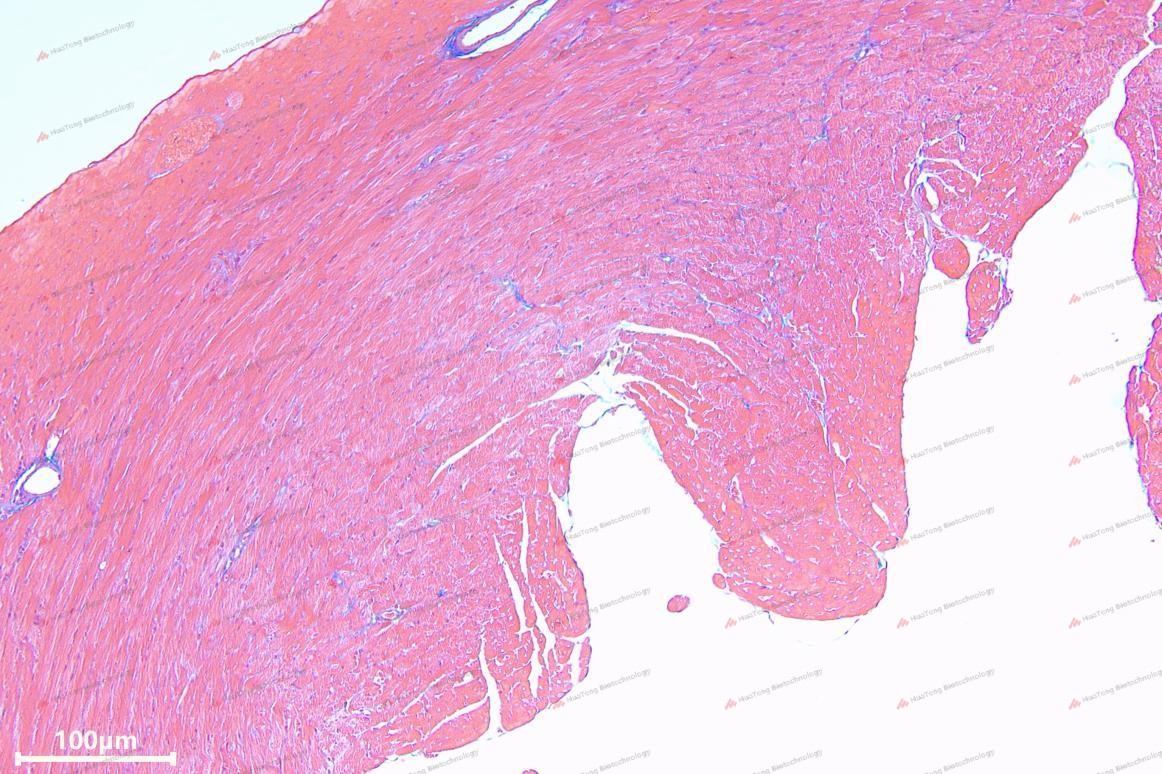
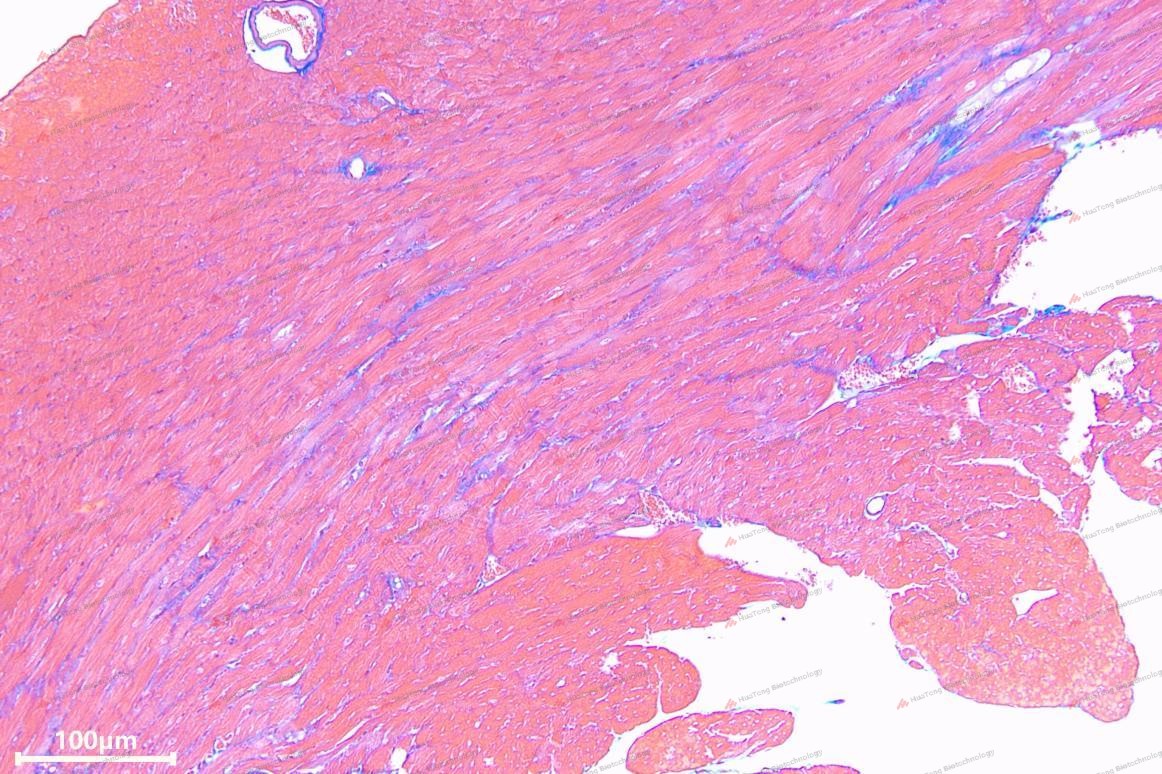
Offers a Comprehensive Portfolio of Animal Models Specific to Cardiovascular Diseases
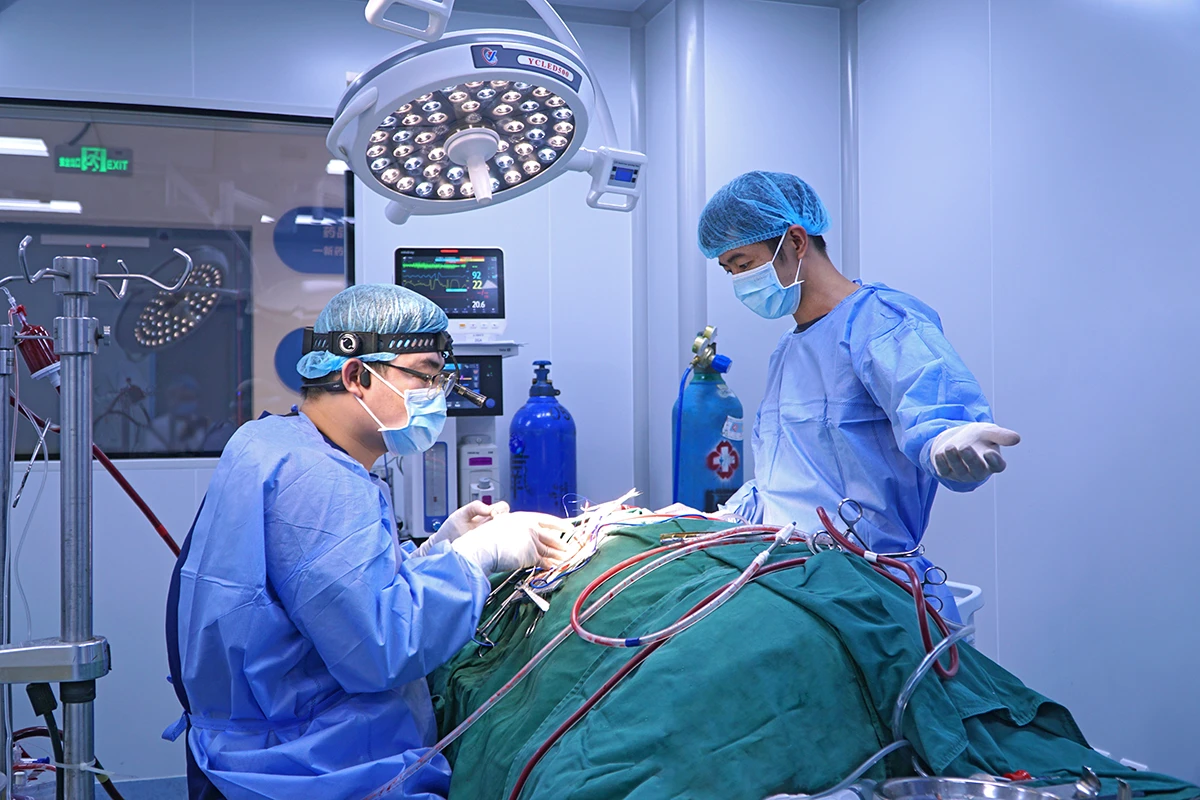
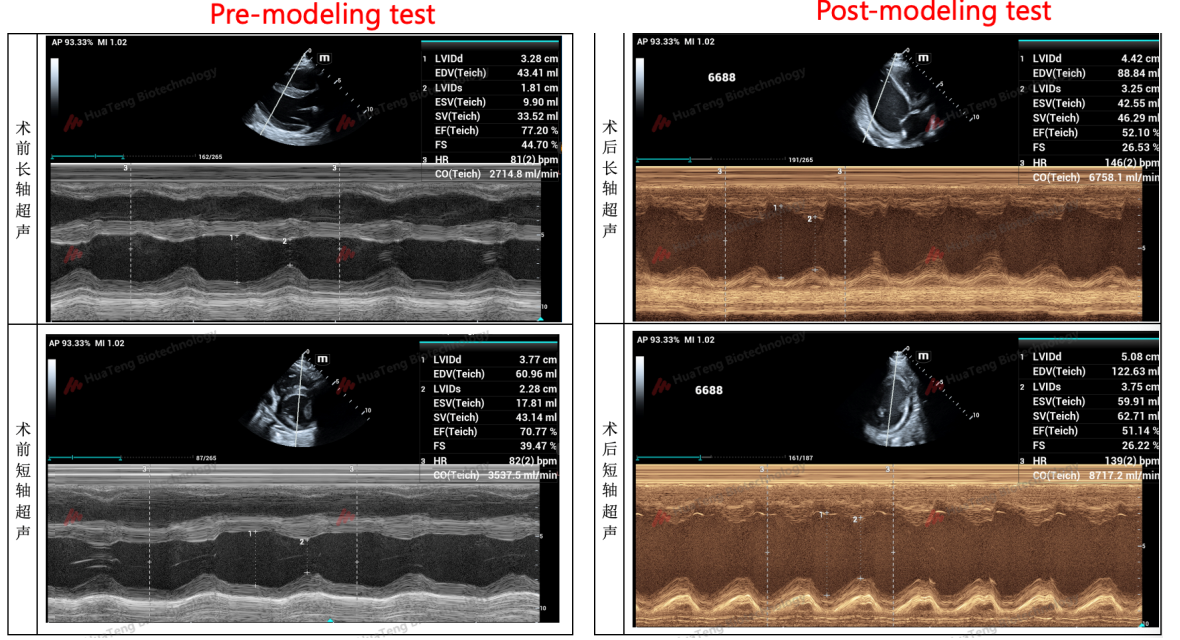
HuaTeng Biotechnology offers a comprehensive portfolio of animal models specific to cardiovascular diseases. Our established platform supports a wide range of cardiovascular procedures—from sophisticated telemetry studies for safety pharmacology to highly translatable pathophysiological models of heart and vascular disorders. With extensive capabilities in hemodynamic and functional assessments, we deliver end-to-end, data-driven solutions for your preclinical research needs.
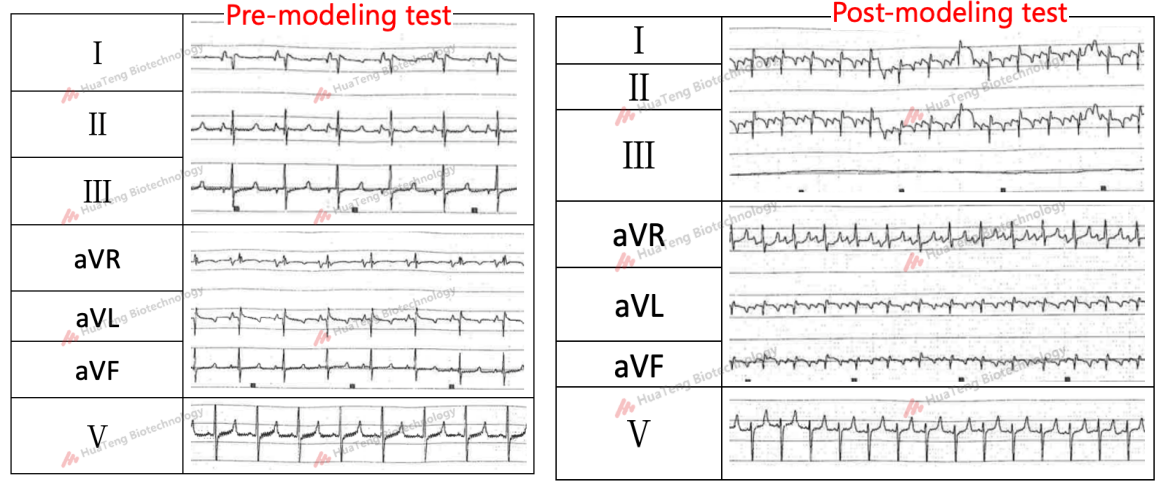
Click to learn more about our disease models:
Cardiac | Vascular | Other |
|
Myocardial Infarction Model |
• Permanent Ligation: Surgical permanent occlusion of the Left Anterior Descending (LAD) coronary artery. |
|
Myocardial Ischemia-Reperfusion Model |
• Surgical Occlusion: Temporary occlusion of the LAD coronary artery for a defined period (e.g., 30-60 minutes) followed by reperfusion. • Non-surgical Occlusion: Intraluminal balloon catheter inflation or pharmacologically induced ischemia. |
|
Heart Failure Model |
• Pressure Overload: Induced by Transverse Aortic Constriction (TAC) or renal artery stenosis. |
|
Cardiomyopathy Model |
• Dilated Cardiomyopathy (DCM): Induced by genetic modification (e.g., δ-sarcoglycan deficiency) or chronic volume overload. or chronic pressure overload. |
|
Myocardial Remodeling Model |
• Induced by pressure overload (e.g., TAC), myocardial infarction, volume overload, or chronic drug infusion. |
|
Heart Transplantation Model |
• Heterotopic Transplantation: Implantation of a donor heart into the abdomen of the recipient; assesses rejection and graft survival (primarily in rodents). (primarily in large animals). |
|
Hypothermic Cardiopulmonary Bypass Model |
• Established using a heart-lung machine circuit with systemic heparinization and core cooling to mild-moderate hypothermia (e.g., 28-32°C), typically in large animals. |
|
Heart Valve Injury Model |
• Aortic Valve Regurgitation: Induced by catheter-based leaflet perforation or surgical puncture of the valve. |
|
Atherosclerosis Model |
• Swine: High-fat diet & balloon injury for human-like plaques & device testing. • Rabbit: High-cholesterol diet or genetic models for drug screening. |
|
Aortic Constriction Model |
• Transverse Aortic Constriction (TAC): For pressure overload-induced cardiac hypertrophy. |
|
Carotid Artery Constriction Model |
• Partial ligation of the left common carotid artery to induce low shear stress and subsequent atherosclerosis. |
|
Aortic Dissection Model |
• Induced in mice by β-aminopropionitrile (BAPN) infusion and angiotensin II (Ang II) administration. |
|
Carotid Aneurysm Model |
• Induced by elastase application or calcium chloride (CaCl₂) injury to the carotid artery. |
|
Carotid Artery Balloon Injury Model |
• Performed in rats; a balloon catheter is inflated and withdrawn to denude the endothelium and induce neointimal hyperplasia. |
|
Arteriovenous Fistula Model |
• Created by surgical anastomosis between the femoral artery and vein or the carotid artery and jugular vein. |
|
Vascular Injury Model |
• Wire or Chemical Injury: Endothelial denudation of the femoral or carotid artery. |
|
Femoral Vein Thrombosis Model |
• Induced by direct vessel ligation (stenosis model) or by FeCl₂-induced chemical injury. |
|
Deep Vein Thrombosis Model |
• Inferior Vena Cava (IVC) Ligation: To induce stasis-based thrombosis. |
|
Hindlimb Ischemia Model |
• Induced by unilateral ligation and excision of the femoral artery and its branches. |
|
Hypertension Model |
• Pharmacological Induction: Chronic infusion of Angiotensin II or L-NAME (NO synthase inhibitor). |
|
Hyperlipidemia Model |
• Induced in mice (e.g., C57BL/6) or hamsters by a high-fat/high-cholesterol diet. |
|
Hemorrhagic Shock Model |
• Induced by controlled withdrawal of a large volume of blood (e.g., from the femoral artery) to a target mean arterial pressure. |
|
Arrhythmia Model |
• Drug-Induced: Triggered by agents like Calcium Chloride or Aconitine. |
|
Atrial Fibrillation Model |
• Rapid Atrial Pacing: Sustained rapid pacing to induce electrical and structural remodeling. |
|
Autoimmune Myocarditis Model |
• Induced by immunization with specific cardiac myosin peptides (e.g., in A/J mice) combined with adjuvants. |
Global Compliance: AAALAC-accredited facilities with IACUC protocols aligned with EU Directive 2010/63/EU and USDA standards.
Advanced Imaging: DSA, IVUS, angiography, and micro-CT for real-time device performance tracking.
Custom Model Development: Species-specific animal models for complex disease states.
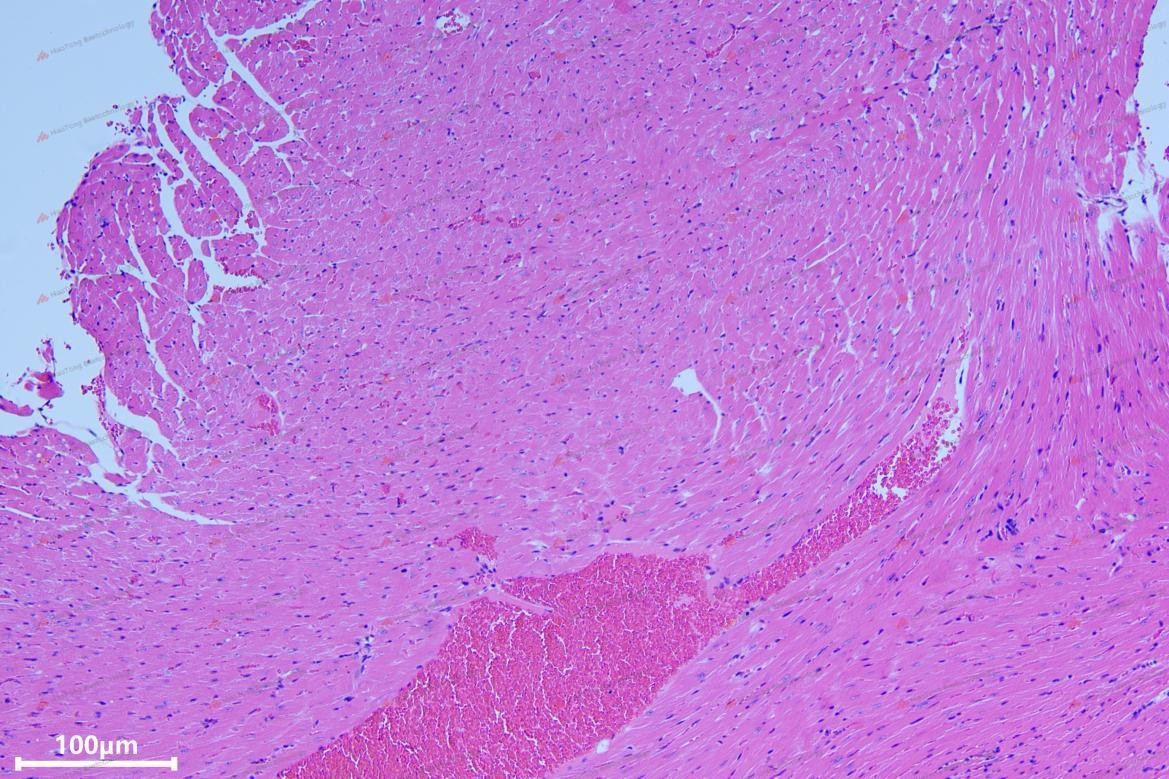
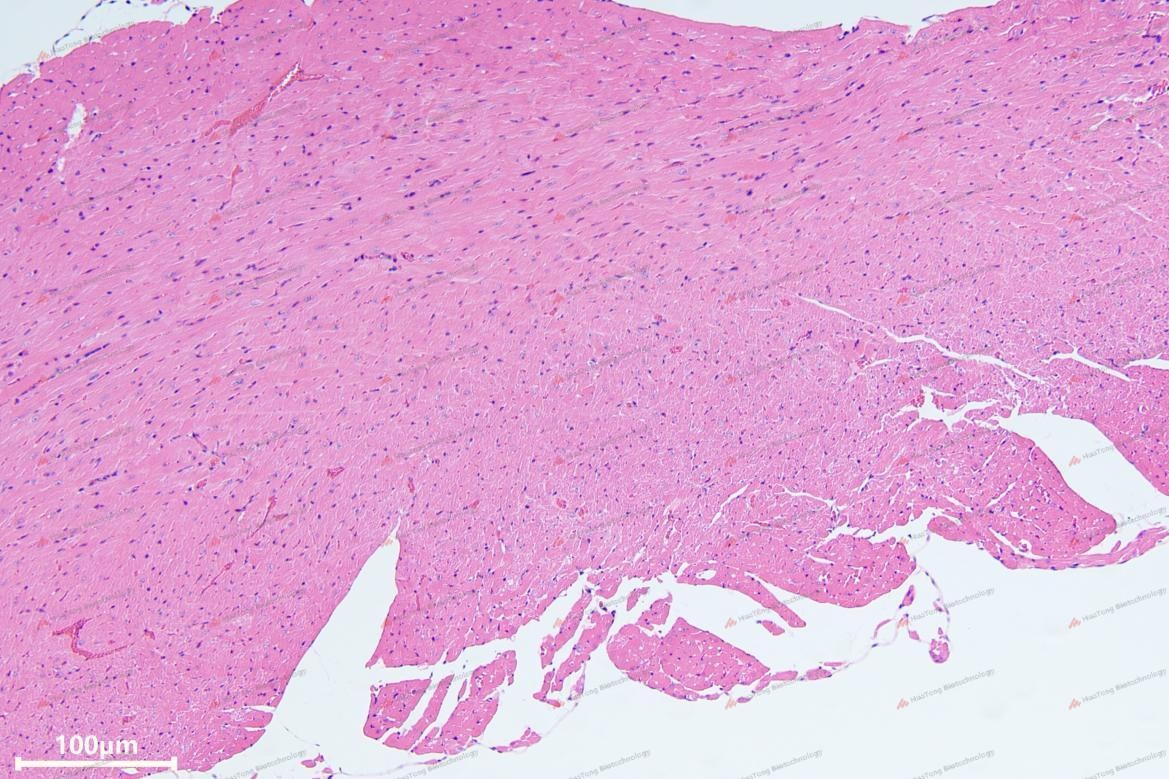
Histopathology Suite: SEM/TEM analysis with GLP-grade reporting for PMDA/CE Mark submissions.