Preclinical CRO Services

Oncology

animal models for oncology research

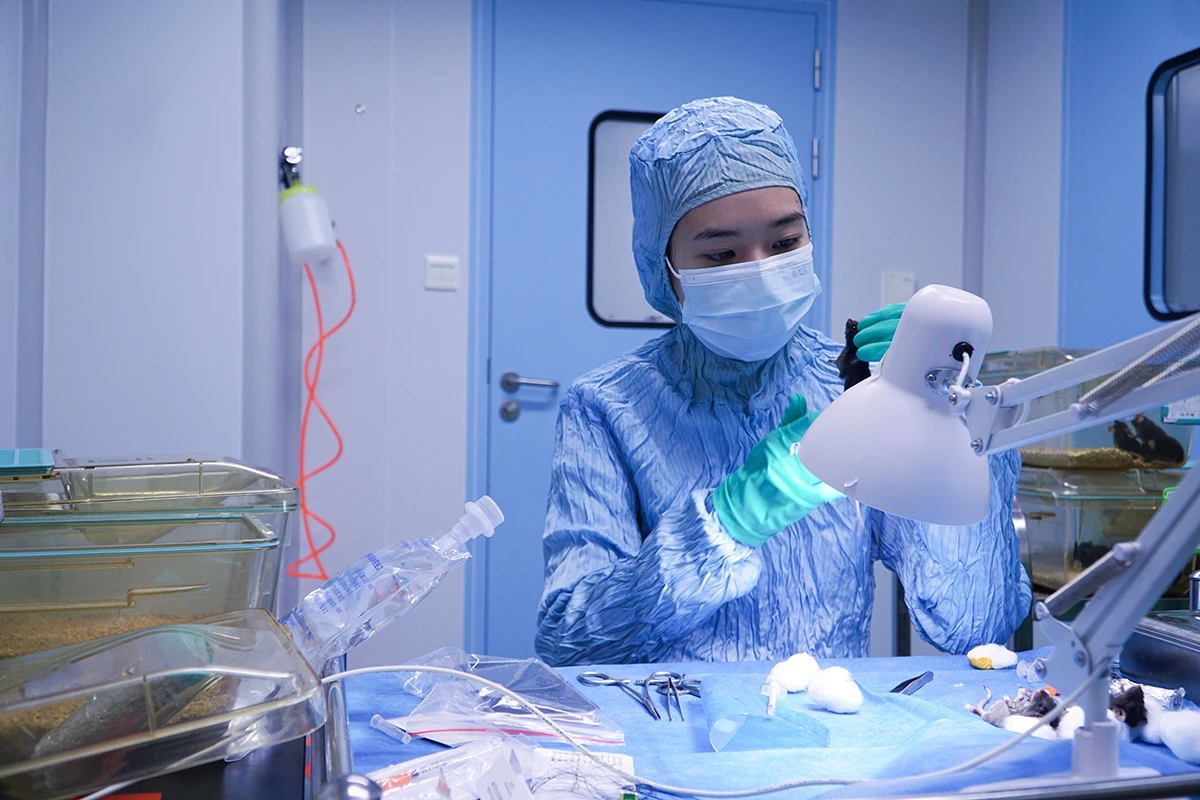
HuaTeng Biotechnology offers an extensive and versatile portfolio of animal models for oncology research. Our advanced platform supports the full spectrum of in vivo cancer studies—from foundational Cell-Derived and Patient-Derived Xenografts (CDX/PDX) to sophisticated site-specific orthotopic and metastatic models.


Universal Tumor Engraftment Models

Cell Line-Derived Xenograft (CDX) Model

• Subcutaneous or orthotopic implantation of immortalized cancer cell lines (e.g., U87, A549) into immunodeficient mice.

Patient-Derived Xenograft (PDX) Model

• Direct implantation of fresh patient tumor tissue into immunodeficient mice, preserving tumor heterogeneity and stroma.

VX2 Tumor Model

• A transplantable rabbit squamous cell carcinoma line, widely used in liver, bone, and interventional oncology research.


Site-Specific Tumor Models (by Organ/Cancer Type)

Glioma Model

Orthotopic Xenograft: Intracranial injection of glioma cells (e.g., U87, GL261).
Transgenic/GENETIC Models: (e.g., RCAS/tv-a system).

Breast Cancer Model

Orthotopic Xenograft: Mammary fat pad injection of cells (e.g., MDA-MB-231, 4T1).
Spontaneous Models: MMTV-PyMT transgenic mice.

Liver Cancer Model

Chemical Induction: Diethylnitrosamine (DEN) injection.
Orthotopic Xenograft: Intrasplenic or intrahepatic injection of cells (e.g., HepG2, Huh7).

Colon Cancer Model

Chemical Induction: Azoxymethane (AOM) with Dextran Sulfate Sodium (DSS).
Orthotopic Xenograft: Cecal or colonic wall injection of cells (e.g., HCT116, CT26).

Gastric Cancer Model

Chemical Induction: N-Methyl-N-nitrosourea (MNU) in drinking water.
Xenograft: Subcutaneous or orthotopic implantation of cells (e.g., MKN-45).

Prostate Cancer Model

Subcutaneous/Orthotopic Xenograft: Injection of cells (e.g., PC-3, LNCaP).
Transgenic Models: TRAMP mice.

Cervical Cancer Model

Subcutaneous Xenograft: Injection of HPV-positive cell lines (e.g., HeLa, SiHa) in immunodeficient mice.

Skin Cancer Model

Chemical Induction: DMBA/TPA two-stage carcinogenesis protocol.
UV-Induced Carcinogenesis.


Tumor Progression & Therapeutic Challenge Models

Disease Model

Modeling Method / Key Information

Cancer Metastasis Model

Experimental Metastasis: Direct intravenous (e.g., tail vein) injection of tumor cells to seed lungs/liver.
Spontaneous Metastasis: Orthotopic implantation of highly invasive cells, allowing primary tumor growth and natural metastasis.

Tumor Model (by Injection Site)

Subcutaneous Injection: For convenient tumor growth monitoring and drug efficacy screening.
Orthotopic Injection: Implantation into the organ/tissue of origin, providing a more relevant tumor microenvironment.
Tail Vein Injection: Primarily for establishing experimental metastasis models (e.g., lung colonization).
Intracranial Injection: For modeling brain tumors or brain metastases.

Why Choose Huateng Bio for GLP-Compliant Testing?

Global Compliance: AAALAC-accredited facilities with IACUC protocols aligned with EU Directive 2010/63/EU and USDA standards.

Advanced Imaging: DSA, IVUS, angiography, and micro-CT for real-time device performance tracking.

Custom Model Development: Species-specific animal models for complex disease states.

Histopathology Suite: SEM/TEM analysis with GLP-grade reporting for PMDA/CE Mark submissions.

Send Us A Message

Custom Hotline

+86 15217198166


Email

ht@htscience.com

Our WeChat

Our WeChat

Our WeChat

Scan to chat with us on WeChat!

Contact Us
Online Service
Hello! May I help you with something?