Pigs are becoming an increasingly essential animal model in biomedical research due to their anatomical and physiological similarities to humans. This makes them invaluable for studying human disease, testing medical devices, and developing treatments. In this guide, we will explore why pig models are pivotal in preclinical research, how they are used across various medical fields, and important considerations for researchers utilizing these animal models for medical devices.
Why Pigs Are Important for Research
1.Similar to Humans
Pigs share a number of key immune system and physiological features with humans, including the heart, digestive system, skin, and endocrine system. These similarities make pig models ideal for understanding how diseases affect humans and for testing drug candidates and therapies that may be used in human clinical trials.
2.Ideal for Medical Device Testing
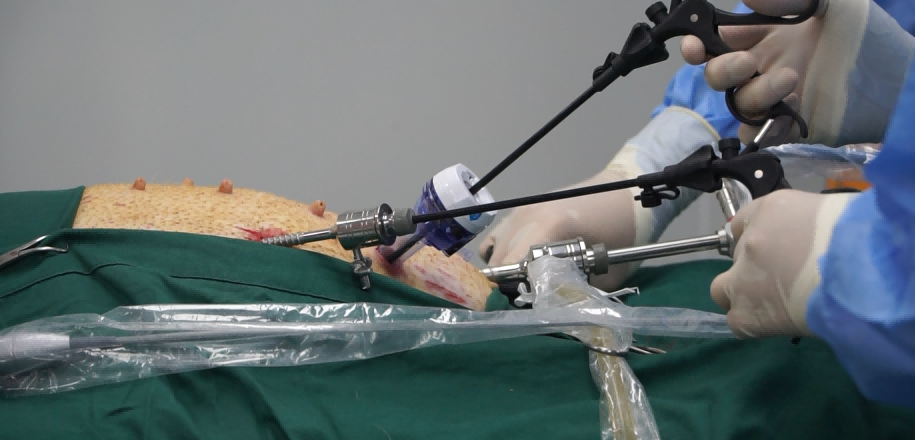
Because of their larger size and organ structure, pigs are particularly suited for medical device testing. Their use in implant evaluation—such as stents, pacemakers, and joint replacements—provides more accurate results than smaller animal species. FDA animal studies for medical devices have shown that pig models are crucial for testing the safety and efficacy of devices that will eventually be used in humans. By using animal models for medical devices, researchers can simulate real-world scenarios that are difficult to replicate in smaller models like rodents.
3.Advanced Genetic Studies
With the evolution of genetic tools, scientists can now modify pigs to create more specific disease models. These genetically modified pigs help researchers better understand the molecular mechanisms of diseases and how they affect the patient population, advancing the field of preclinical drug development and improving the success rates of human clinical trials.
[Check it out, the most comprehensive disease model for gene-edited pigs is here!]
How Pigs Are Used in Biomedical Research
1.Cardiovascular Disease Research
Cardiovascular diseases (CVD) are the leading cause of death worldwide. While traditional rodent animal models often fail to replicate important features of human cardiovascular conditions, pig models more accurately mimic the real-world anatomy and lipid metabolism of humans. Pigs are essential for researching conditions such as atherosclerosis, myocardial ischemia, and testing medical devices designed for preclinical studies in pharmacology models.
2.Obesity and Diabetes Research
Pigs are also ideal for studying obesity and type 2 diabetes, with their similar pancreatic and metabolic systems to humans. This makes pig models invaluable for research on insulin resistance and metabolic syndrome. Their close alignment with human physiology allows scientists to model disease progression and evaluate potential drug candidates for preclinical drug development. These studies offer insights into the adverse effects of therapies before advancing to human clinical trials.
3.Ophthalmology Research
The structural similarities between the pig eye and the human eye make pig models vital for ophthalmology research. They are widely used for implant evaluation and intraocular lens studies. Additionally, pig models provide key insights into glaucoma, retinitis pigmentosa, and other human diseases affecting vision, which are essential for advancing preclinical research and testing medical devices for eye care.
4.Dermatology and Skin-Healing Research
The skin of pigs is comparable to human skin in its structure and function. For this reason, pig models are essential for FDA animal studies for medical devices, particularly in dermatology and wound-healing studies. These animal models help assess burn injuries, drug toxicity, and evaluate new medical devices designed for skin treatment and regeneration. Animal studies of this nature help to identify the adverse effects of drugs or devices before they are tested in humans.
5.Nutrition and Microbiome Research
Pigs, being omnivores, have digestive systems that closely resemble those of humans, making them ideal for nutrition research. They help researchers study food allergies, obesity, and diet-microbiome interactions. The gastrointestinal disease models that use pigs are also essential for understanding how diet and microbiome shifts affect the health of patient populations and contribute to diseases like non-alcoholic fatty liver disease (NAFLD) and metabolic syndrome.
6.Xenotransplantation
Pigs are considered one of the most promising sources for xenotransplantation, offering organs and tissues that are genetically modified to be more compatible with human immune systems. Advances in preclinical studies have focused on overcoming challenges like immune rejection and cross-species pathogen safety, with the ultimate goal of using pig models for organ replacement therapies. This is particularly relevant in addressing the global shortage of donor organs.
7.Dental Research
Miniature pigs have tooth morphology that is remarkably similar to humans, making them highly valuable for dental research. These animal models are used in studies related to tooth development, tooth regeneration, and understanding dental diseases. By studying implant evaluation and tooth regeneration in pigs, researchers can develop more effective dental treatments and medical devices.
8.Gastrointestinal Disease Research
Pig models are indispensable in studying gastrointestinal diseases, as their digestive anatomy closely mirrors that of humans. Pigs are also susceptible to human enteric pathogens, making them an excellent choice for infectious disease modeling and evaluating new drug candidates. Research using pig models contributes to understanding diseases like ulcerative colitis, liver disease, and microbiome imbalances.
9.Other Areas of Research
Pigs are used in a broad range of research beyond the fields mentioned above, including cancer biology, neurology, bone regeneration, and pulmonary diseases. They are also used to model human diseases in animal species that are closely related to human physiology, making them valuable for preclinical studies and animal studies.
Benefits of Using Pigs for Medical Research
1.More Accurate Results
Pigs' anatomical and physiological similarities to humans make pig models more reliable than smaller animal species for studying disease and testing medical devices. The data obtained from animal studies using pigs are more likely to be relevant to human health, improving the translation of findings to clinical applications.
2.Larger Scale for Testing
The larger size of pigs makes them ideal for testing medical devices and surgical techniques, allowing for more accurate simulation of human conditions. Their size also allows for better evaluation of long-term effects, especially in preclinical research focused on chronic diseases like cardiovascular disease and diabetes.
3.Ethical Considerations
The use of pigs in research is generally considered more ethical than using primates. They are easier to manage, and the scientific community widely supports their use in preclinical studies for testing medical devices and drug discovery. Their use helps avoid the ethical and logistical challenges associated with primate research.
Tips for Researchers Using Pigs in Studies
1.Choose the Right Breed
Different animal species are suited for different types of research. Miniature pigs are commonly used for implant evaluation, surgical procedures, and testing medical devices, while larger pigs may be better suited for cardiovascular disease models.
2.Plan Long-Term Studies
Pigs live longer than smaller animals like mice, making them ideal for long-term studies of chronic diseases and treatments. Researchers can study the effects of preclinical drug development over extended periods, providing valuable data for human clinical trials.
3.Use Advanced Technology
Technologies like computer models, imaging tools, and data analytics can help researchers enhance the accuracy of their animal studies and improve data collection from pig models.
Conclusion: Why Pigs Are the Future of Biomedical Research
Pigs are indispensable in advancing biomedical research. Their anatomical, physiological, and genetic similarities to humans make them key models for studying human diseases and testing medical devices.
As the demand for more accurate preclinical studies grows, pig models will continue to play a pivotal role in the preclinical research pipeline, ultimately improving patient outcomes and the success rates of human clinical trials. The use of pigs in drug discovery, medical device testing, and disease modeling is crucial to shaping the future of healthcare innovation.
The HuaTeng Biotechnology Approach – Plan Your Preclinical Testing with Us
At HuaTeng Biotechnology, we understand the complexities of preclinical research and the critical role that animal models play in ensuring the safety and efficacy of medical devices and drug candidates. Whether you are preparing for FDA animal studies for medical devices or need expert guidance on preclinical drug development, we provide comprehensive testing services tailored to your needs.
Ready to begin your preclinical testing journey?
[Contact HuaTeng Biotechnology] today and let us help you turn your research into success.