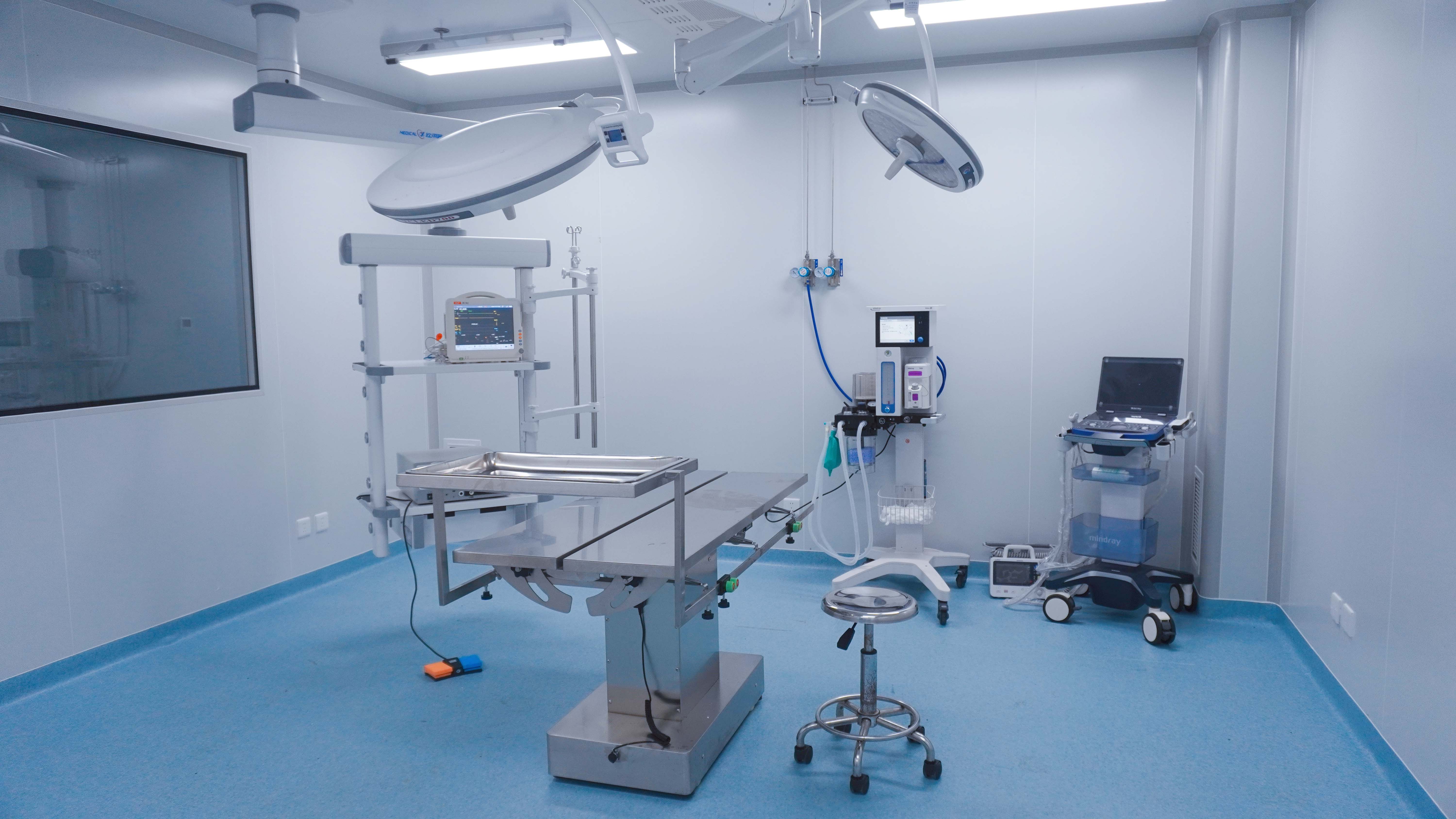
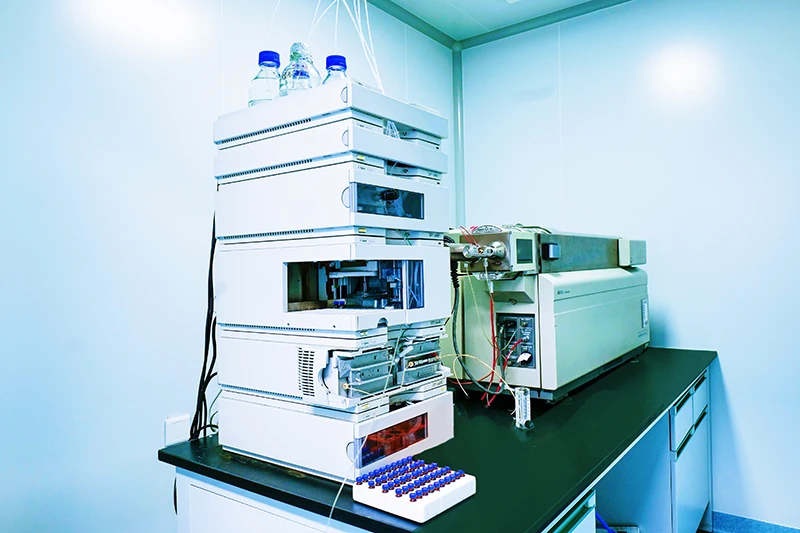
In the demanding world of drug discovery and medical device development, choosing the right animal model is the most critical decision for any research team. Canine models in biomedical research, specifically beagle research models, serve as a sophisticated biological bridge. They connect early animal testing to the final goal: human clinical trials. Because their physiology and anatomy are so similar to ours, they are considered a cornerstone for ind-enabling studies and high-fidelity medical device testing canine models.
As a leading provider of canine CRO services, HuaTeng Biotechnology understands that global regulatory success—especially with the Food and Drug Administration (FDA)—depends on the quality of your preclinical studies.
The Translational Value of Canine Models in Biomedical Research
While students and researchers utilize various animal species such as rodents, guinea pigs, or human primates, canine models offer a unique advantage. They provide a complex system that often predicts how a human patient will react better than other species.
1. Cardiovascular and Hemodynamic Parallelism
For those researching heart disease, the canine model is the "gold standard." Unlike smaller laboratory animals, the canine heart mirrors the human heart in size, electrical conduction, and blood flow.
- Safety Pharmacology: Researchers use canines to assess the risk of heart rhythm problems (pro-arrhythmic risk).
- Device Testing: The size of the canine circulatory system allows for the accurate evaluation of stents and valves, providing data on how they perform in a high-pressure environment.
2. Pharmacokinetics (PK) and Metabolic Alignment
In the development of an investigational new drug, we must understand how the body processes the compound. Canines have a gastrointestinal system (stomach pH and emptying time) very similar to humans. This makes them essential for studying oral drug absorption. Furthermore, their metabolic enzymes provide data that helps researchers in the united states and worldwide predict drug clearance safely.
3. Comparative Oncology and Spontaneous Disease
A fascinating area of animal studies is comparative oncology. Unlike induced models where tumors are "given" to the animal, dogs develop naturally occurring cancers. These tumors share the same complex environment as those in a human patient, making them perfect for testing new immunotherapies.
Specialized Applications in Advanced Therapeutics
In modern biomedical research, large animals like canines are used for more than just safety checks. They are vital for efficacy and "Proof of Concept" (PoC) studies.
1.Orthopedics and Bone Remodeling
Unlike the bone structure of many small laboratory animals, canines possess a "Haversian system" (secondary osteon remodeling) nearly identical to humans. This is why they are indispensable for testing:
- Load-Bearing Implants: Such as hip replacements and spinal cages.
- Safety and Efficacy: Evaluating how well a bone-implant interface holds up over time.
2.Ophthalmology and Ocular Gene Therapy
The canine eye provides a human-scale volume. This is critical for surgeons who need to practice delicate subretinal injections for gene therapy. It also allows for the long term study of how drugs move through the eye, providing data for treating conditions like glaucoma.
3.Neurology and CNS Pathophysiology
The complexity of the canine brain allows for the use of standard clinical imaging, such as 3T MRI and 64-slice CT scans. This allows for the direct translation of surgical protocols from the laboratory to human clinical trials.
Strategic Advantages of Canine-Based Preclinical Platforms
Choosing the right platform for a toxicology study ensures both scientific integrity and regulatory approval.
- Long Term Durability: The relatively long lifespan of the canine allows for the assessment of chronic toxicity and the long term performance of implantable devices—something impossible in shorter-lived animal species.
- High Data Quality: The gentle temperament of beagle research models allows for repeated blood sampling and biopsies without causing excessive stress. This maintains high animal health standards and ensures the data is not ruined by stress-related biological changes.
- Regulatory Necessity: The Food and Drug Administration (FDA) and other global agencies usually require safety data from both a rodent and a non-rodent species. The Beagle is the most reliable non-rodent choice due to its well-documented history in science.
Conclusion: Engineering the Future of Medicine
The canine model remains a pillar of biomedical research. By providing a multisystemic environment that mirrors human biology, these models significantly reduce the risks associated with modern medicine. Whether you are a student learning about the industry or a PI leading a study, understanding the role of animal species in research is key to clinical success.
The HuaTeng Biotechnology Approach – Plan Your Preclinical Testing with Us
At HuaTeng Biotechnology, we believe that high-quality data is the "ballast stone" of your R&D journey. Our approach combines scientific rigor with ethical excellence to help you navigate the complexities of preclinical studies:
- Global Compliance: Our facilities adhere to AAALAC and OECD GLP standards, ensuring that healthy laboratory animals produce the most reliable results for your toxicology study.
- Optimized Design: We reduce the number of animals needed through smart experimental design while maintaining the statistical power required to prove safety and efficacy.
- Strategic De-risking: Whether you are preparing for FDA animal studies for medical devices or complex drug development, we provide the insights needed to de-risk your program and anchor your strategy in predictability.
[Contact HuaTeng Biotechnology] today and let us help you turn your research into success.