Introduction: Beyond Tumor Volume Measurement
In oncology drug and device development, the mission is no longer just to prove that a therapeutic candidate reduces tumor size—it is to determine how it functions within the complex architecture of human disease. With the rapid evolution of Antibody-Drug Conjugates (ADCs), bispecific antibodies, and CAR-T cell therapies, the "translational gap"—where preclinical successes fail to replicate in clinical trials—remains a critical hurdle.
Industry data suggests that nearly 90% of oncology candidates entering clinical trials fail, often due to oversights in model selection or the tumor microenvironment (TME). This guide provides a strategic framework for R&D professionals to optimize preclinical study designs, ensuring your data is robust enough for global regulatory submissions.
I. Strategic Model Selection: Selecting the Optimal Translational Platform
Model selection is a trade-off between throughput and biological fidelity. A successful preclinical strategy aligns the model with the drug's Mechanism of Action (MOA).
1. Foundational Screening: CDX vs. PDX
-
Cell Line-Derived Xenograft (CDX): When your research demands high-throughput screening and uniform tumor growth, CDX models (e.g., U87, A549) remain the industry standard. They are cost-effective for initial efficacy benchmarking.
-
Patient-Derived Xenograft (PDX): For precision medicine, PDX models are invaluable. By directly implanting fresh patient tumor tissue, PDX models preserve the original tumor heterogeneity and stromal architecture, offering a significantly higher predictive value for targeted therapies.
2. Simulating the Microenvironment: Orthotopic Models
If your therapeutic candidate relies on tumor penetration or site-specific delivery (e.g., Glioma, Liver Cancer), subcutaneous models are often inadequate.
-
Why Orthotopic? Implanting tumor cells into the organ of origin allows the tumor to interact with physiological pressures, local hormone regulation, and specific immune cell populations—a vital requirement for evaluating checkpoint inhibitors and interventional devices.
II. Advanced Analytics: Defining Clinical Relevance
To satisfy regulatory scrutiny during IND (Investigational New Drug) applications, your data must demonstrate more than just efficacy—it must show clinical relevance.
| Metric | Analytical Approach | Strategic Significance |
| Functional Response | Longitudinal PET-CT / MRI | Identifies therapeutic impact on metabolic activity before physical size changes occur. |
| Immune Landscape | Multiplex Immunofluorescence (mIF) | Quantifies spatial distribution of CD8+ T-cell infiltration within the TME. |
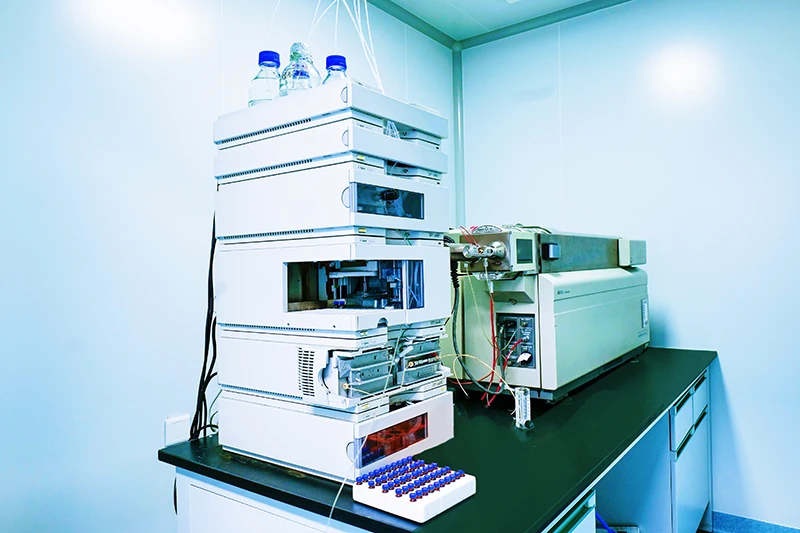
| Pharmacodynamics | Liquid Biopsy & Biomarker Tracking | Monitors real-time therapeutic responses and potential systemic toxicity. |
III. Addressing Therapeutic Challenges: Metastasis & Interventional Oncology
For drug developers targeting metastatic spread or medical device innovators developing localized therapies (e.g., embolic agents, thermal ablation), the model must match the clinical procedure:
-
Metastasis Modeling: Relying solely on tail vein injections is often insufficient. HuaTeng Biotechnology utilizes spontaneous metastasis models, where orthotopic primary tumors naturally disseminate, allowing for a realistic evaluation of anti-metastatic drug candidates.
-
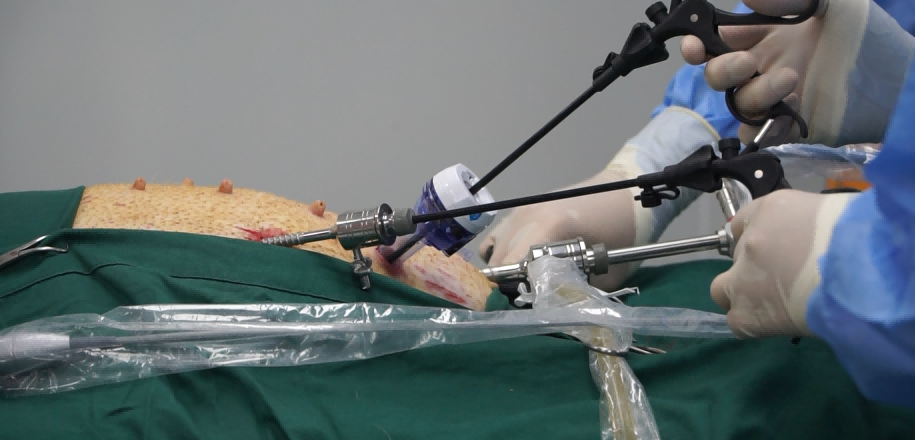
Interventional Oncology: For localized devices, the VX2 tumor model is the gold standard for testing transarterial chemoembolization (TACE) or ablation techniques, providing high vascularization that mirrors human solid tumors.
IV. Actionable Advice for R&D Strategy
-
Integrate Imaging Early: Utilize longitudinal imaging (MRI/PET) during the treatment cycle rather than relying on terminal data. This provides a dynamic view of tumor regression patterns.
-
Verify Target Homology: Before beginning safety studies, ensure that the target protein in your animal model shares sufficient structural homology with the human target, as indicated by ICH S6(R1) guidelines.
-
Standardize Histology: Fixation protocols (e.g., 10% neutral buffered formalin) must be strictly controlled. As noted in best practices for pathology, inconsistent fixation time is a primary driver of variability in immunohistochemistry (IHC) results.
Partnering with HuaTeng Biotechnology
At HuaTeng Biotechnology, we recognize that preclinical data is the foundation of your company’s market value. We provide:
-
AAALAC International Accreditation: Upholding the highest standards of animal welfare and research ethics.
-
GLP-Compliant Data Documentation: Providing audit-ready transparency for global regulatory authorities.
-
Customized Study Design: Our scientist-to-scientist communication model ensures your study design addresses the unique MOA of your oncology pipeline.
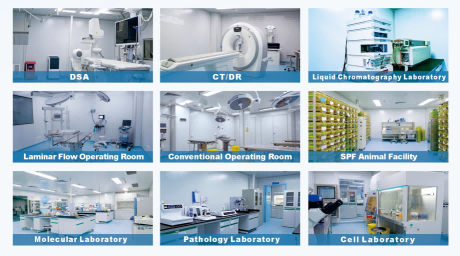
Is your oncology candidate ready for the next stage of development? Whether you are testing a novel ADC or a complex interventional device, our versatile animal model portfolio is designed to meet your project’s unique demands.
[Click here to request our Oncology Model Catalog and schedule a technical consultation.]
FAQ
Q: Why is the PDX model superior for testing ADC efficacy?
A: PDX models maintain the original antigen expression profile and stromal composition of the patient tumor, providing a more reliable assessment of ADC receptor-mediated internalization and therapeutic potency than standardized cell lines.
Q: How does HuaTeng Biotechnology ensure data integrity for international audits?
A: We employ a fully digital Laboratory Information Management System (LIMS). All raw imaging data and pathology logs are timestamped and archived, ensuring full traceability for FDA/EMA audits.
Q: Can you support site-specific models for brain tumor research?
A: Yes. We specialize in intracranial xenografts (e.g., U87, GL261), allowing for precise evaluation of drug delivery across the blood-brain barrier.