Hyperlipidemia Model

Hyperlipidemia Model
HuaTeng Biotechnology provides high-fidelity Hyperlipidemia models. Expert in High-Fat/High-Cholesterol diet induction in swine and rats. 300+ successful cases for lipid-lowering drug efficacy and metabolic research.
Applications
• Efficacy screening of statins, PCSK9 inhibitors, and novel lipid-lowering drugs.
• Research on the pathogenesis of Atherosclerosis and NAFLD/NASH.
• Evaluation of functional foods and nutraceuticals on lipid metabolism.
• Safety and metabolic profiling for pharmaceutical candidates.
Modeling Methods
HuaTeng Biotechnology offers both acute and chronic induction protocols:
• High-Fat, High-Cholesterol Diet (HFHC): Long-term dietary induction to simulate lifestyle-induced dyslipidemia (Standard for Swine/Rats).
• Triton WR-1339/Poloxamer 407: Acute pharmacological induction for rapid drug screening.
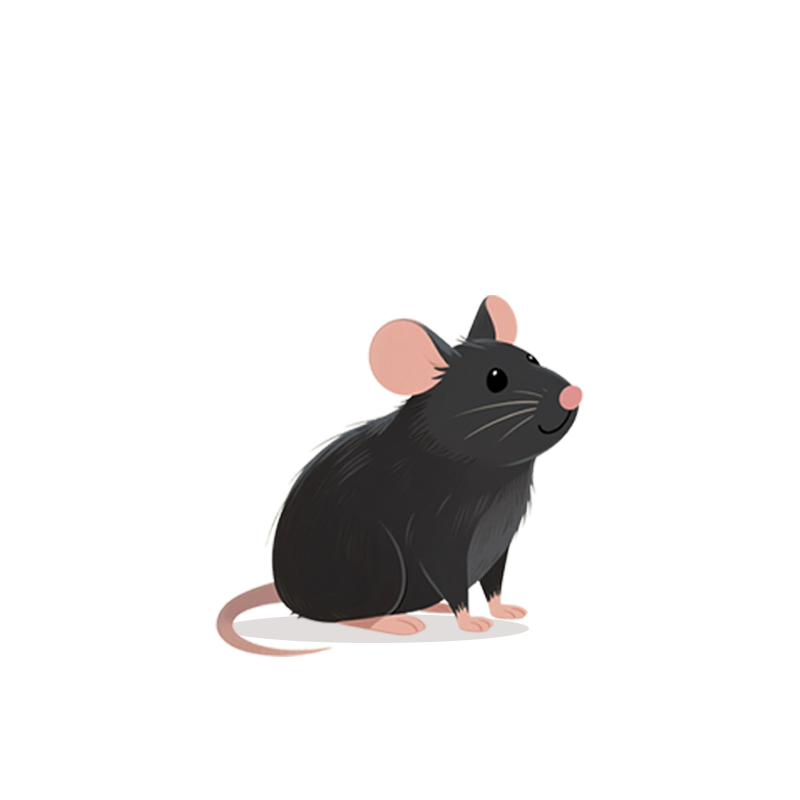
• Genetic Models: Utilizing ApoE-/- or LDLR-/- strains for accelerated plaque formation and severe hyperlipidemia.
Testing Items
• Serum Lipid Profile: TC, TG, LDL-C, HDL-C, VLDL-C via automated biochemistry.
• Metabolic Markers: Insulin, Glucose, Leptin, and Adiponectin.
• Liver Assessment: Liver function tests (ALT/AST), Liver-to-Body Weight ratio.
• Histopathology: Oil Red O staining for hepatic steatosis and aortic plaque visualization; H&E for tissue morphology.
Translational Fidelity in Lipid Metabolism:
-
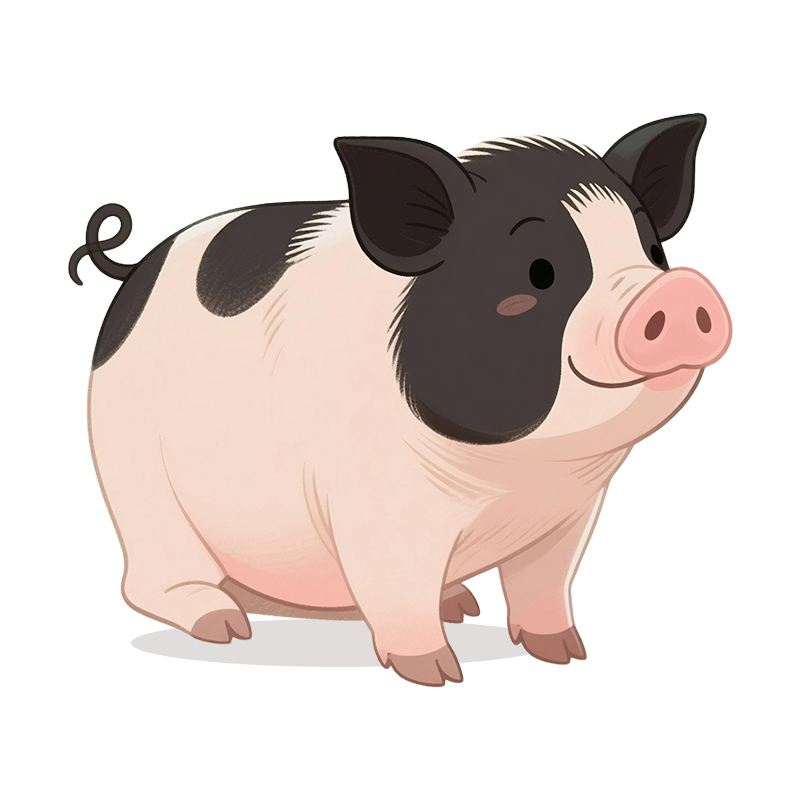
The Swine Advantage: Unlike rodents, the lipid profile and lipoprotein distribution of Miniature Pigs are remarkably similar to humans. HuaTeng's HFHC-induced swine models develop not only hyperlipidemia but also early-stage Atherosclerotic lesions, making them ideal for testing drug-eluting stents and systemic therapies.
-
Dietary Precision: Our proprietary HFHC diets are formulated to ensure consistent induction of hyperlipidemia without causing excessive systemic toxicity, allowing for long-term (6-12 months) longitudinal studies.
-
Comprehensive Evaluation: We go beyond simple blood tests. Our pathology suite provides high-resolution Oil Red O staining to quantify neutral lipid accumulation in the liver and arterial walls, providing the visual evidence required for high-impact publications and regulatory filings.
Related Animal Models
Explore other gene-edited animal models that complement our porcine research platforms