Precision In Vitro Solutions for Preclinical Research
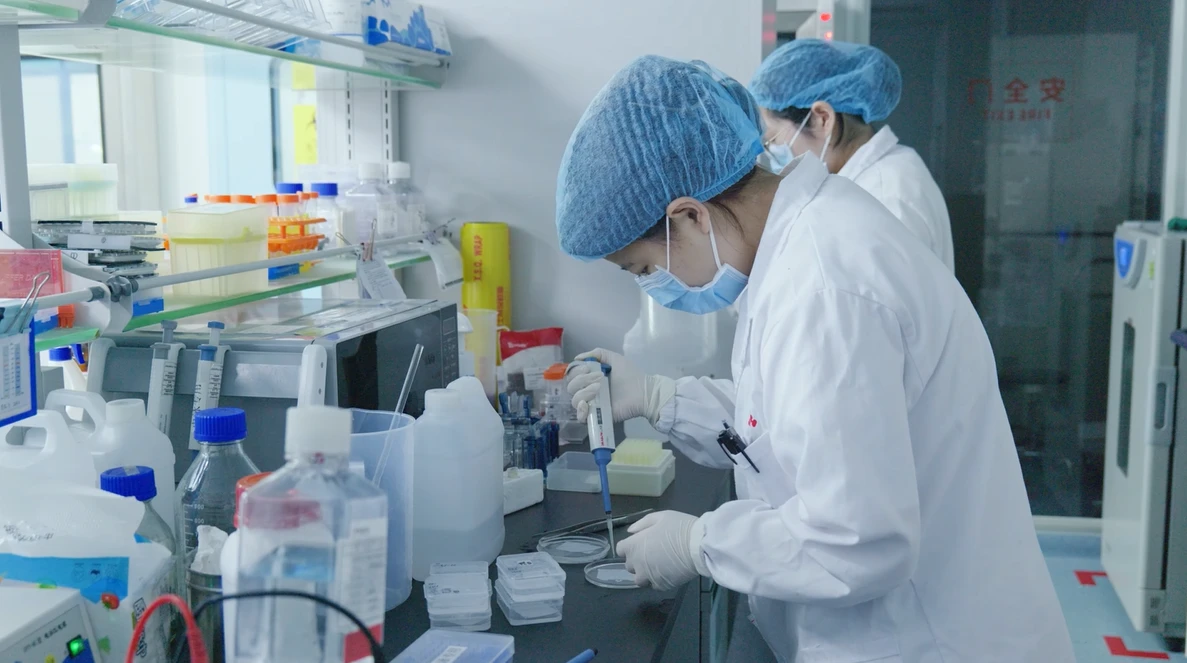
At HuaTeng Biotechnology, we provide in vitro cell-based platforms to support preclinical research, biomarker development and early-stage therapeutic evaluation. Our services cover the full workflow from primary cell isolation to functional analysis and gene editing, delivering reliable and reproducible data for translational studies.
All work is conducted under standardised methods and GLP-aligned processes, supporting both exploratory research and regulated development programmes.
Core Services
Cell Culture & Model Development
We establish a range of cell-based models to support disease research and drug evaluation.
- Primary cell isolation from animal tissues (hepatocytes, neurons, immune cells)
- Cell line development, including stable and transient transfection
- CRISPR-edited cell lines and 3D organoid models
- Co-culture systems for tumour microenvironment and blood–brain barrier models
Functional Cell Analysis
We provide functional assays to evaluate cellular responses under different conditions.
- Cell viability and proliferation (MTT, CCK-8, colony formation)
- Cell cycle and apoptosis analysis using flow cytometry and imaging
- Migration and invasion assays (Transwell, wound healing, spheroid models)
Genetic Engineering
We support gene modification and pathway analysis for target validation and mechanism studies.
- CRISPR/Cas9 gene editing (knockout, knock-in, base editing)
- RNA interference and overexpression systems (siRNA, shRNA, viral delivery)
- Reporter cell lines for pathway activity analysis (luciferase, GFP/RFP)
Flow Cytometry & Immunology
We provide immune profiling and cell-based functional assays to support immunology and oncology research.
- Multi-parameter flow cytometry for immune cell profiling
- Cell sorting (FACS) for isolation of specific populations
- Functional assays including cytokine release, phagocytosis and ADCC/CDC
Supporting Translational Research
Our in vitro platform integrates with in vivo and pharmacology studies, enabling a more complete understanding of therapeutic mechanisms and supporting decision-making in preclinical development.