Introduction: The Translational Challenge in Pulmonary R&D
The development of therapeutics for respiratory conditions—such as Chronic Obstructive Pulmonary Disease (COPD), asthma, Idiopathic Pulmonary Fibrosis (IPF), and Acute Respiratory Distress Syndrome (ARDS)—is fraught with clinical translation failure. Historically, the disparity between rodent pulmonary architecture and human lung physiology has acted as a "valley of death" for many promising candidates.
For global pharmaceutical and MedTech innovators, the transition to translationally relevant large animal models is no longer optional; it is a regulatory and strategic necessity. Whether you are developing novel inhaled biologics, long-acting bronchodilators, or advanced pulmonary delivery devices, selecting a preclinical platform that mimics human respiratory kinetics is the cornerstone of a successful Investigational New Drug (IND) or Investigational Device Exemption (IDE) submission.
I. Beyond Rodents: The Biological Case for Large Animal Respiratory Models
Why do industry leaders pivot to porcine, ovine, or non-human primate (NHP) models? The answer lies in structural and functional parity.
-
Airway Anatomy: Unlike rodents, large animal models possess a branching airway architecture and lung lobation patterns structurally closer to humans. This is critical for evaluating the deposition patterns of pulmonary drug delivery systems and aerosolized formulations.
-
Physiological Dynamics: Large animals allow for the use of clinical-grade equipment, enabling accurate measurement of Tidal Volume (), Forced Expiratory Volume (), and lung compliance—standard endpoints in human clinical trials.
-
Immune Homology: For studies involving inflammatory respiratory diseases, the homology in airway immune cell composition allows for a more reliable assessment of the anti-inflammatory efficacy of novel biologics.
II. Specialized Models for Respiratory Indications
At HuaTeng Biotechnology, we have developed an extensive portfolio of respiratory disease models designed to mirror specific clinical progressions:
III. Precision Analytics: The "Gold Standard" of Pulmonary Testing
To withstand regulatory scrutiny, your preclinical data must be quantitative and high-resolution. Our platform integrates advanced technologies to provide a comprehensive view of respiratory health:
1. Clinical-Grade Bronchoscopy
We perform direct, real-time visualization of the airway, allowing for bronchoalveolar lavage (BAL) fluid collection and biopsy sampling. This enables precise longitudinal monitoring of inflammatory markers at the site of disease.
2. Pulmonary Function Testing (PFT)
Using ventilators and plethysmography calibrated for large animals, we capture clinical-grade data, including Airway Resistance (), Dynamic Lung Compliance (), and the Forced Oscillatory Technique (FOT).
3. Advanced Imaging
We utilize 3.0T MRI and micro-CT to quantify pulmonary inflammation, fibrosis severity, and emphysema progression. These non-invasive measures allow for longitudinal tracking of therapeutic effects, significantly reducing the number of animals required for statistical significance.
IV. Navigating Regulatory Compliance
Regulatory agencies expect preclinical safety and efficacy data to be audit-ready. Adhering to Good Laboratory Practice (GLP) standards is fundamental to a smooth path to clinical trials.
-
Data Integrity: Our digital Laboratory Information Management System (LIMS) ensures every PFT tracing, imaging file, and histological slide is timestamped, traceable, and secure.
-
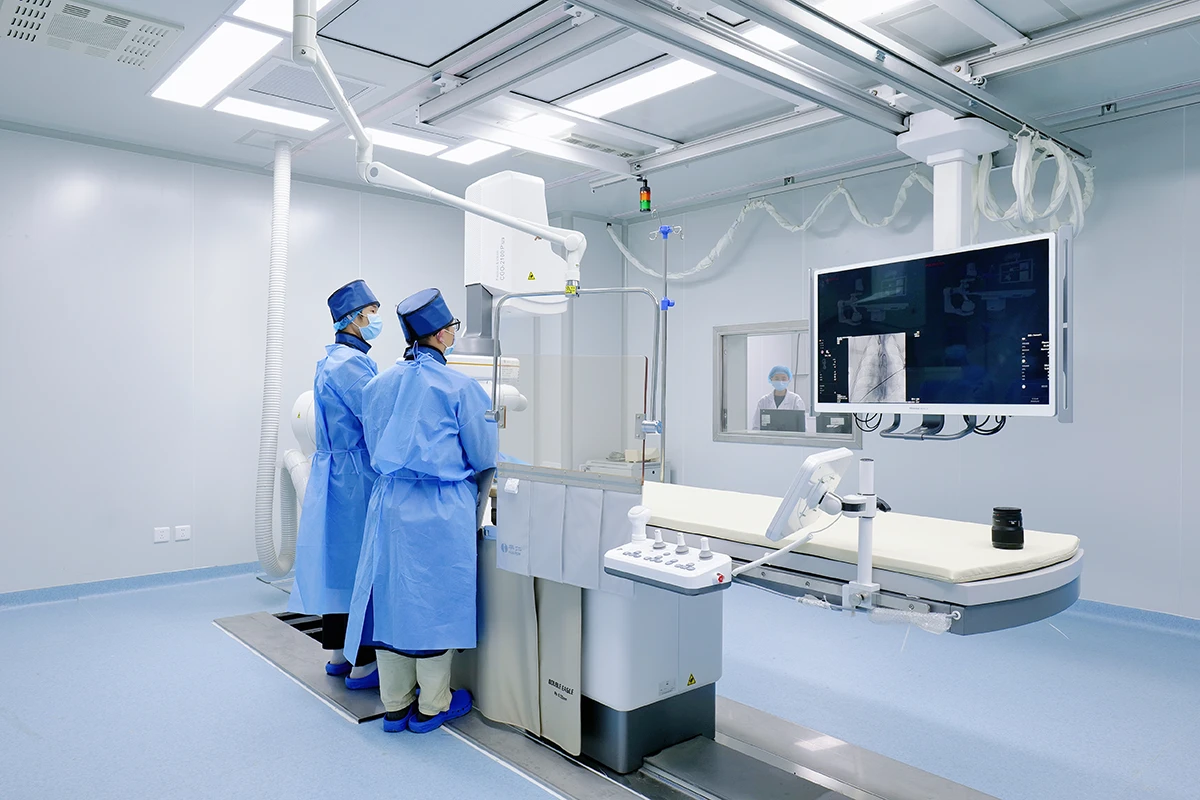
Surgical Precision: Our veterinary surgery team specializes in complex pulmonary procedures, including airway stent placement, catheterization, and long-term infusion models, ensuring high survival rates and reproducible results.
V. Actionable Strategy: Optimizing Your Respiratory Pipeline
If you are designing a preclinical study, consider these expert recommendations:
-
Dose-Finding Calibration: Use large animal PK/PD data to anchor your human starting dose. The similarity in lung surface area and vascularization makes these models the best proxy for lung absorption.
-
Combine Functional & Structural Endpoints: Do not rely solely on histological markers. Integrating PFT data with imaging provides a holistic view of the therapeutic benefit—showing that the lung doesn't just look better (pathology), but functions better (PFT).
-
Early Regulatory Dialogue: Ensure your study design includes the appropriate positive control (e.g., standard-of-care bronchodilators) to demonstrate sensitivity and specificity in your chosen model.
Conclusion: Transforming Scientific Rigor into Clinical Success
The complexity of the human respiratory system demands a preclinical approach that mirrors its intricacy. By integrating high-fidelity respiratory models with clinical-grade analytics, you can navigate the path from laboratory to clinic with confidence.
HuaTeng Biotechnology provides the infrastructure and the expertise to ensure your respiratory innovation reaches its clinical potential.
[Contact us today to request a Consultation or Case Study Portfolio]
Technical FAQ
Q: Can you perform studies for inhaled biologics?
A: Yes. We have established protocols for aerosolized drug delivery in porcine and canine models, using specialized masks and nebulizers that replicate clinical inhalation methods, supported by PK sampling in both plasma and BAL fluid.
Q: What is the lead time for setting up an IPF study?
A: Depending on the induction protocol, our team can typically initiate studies within 6 to 8 weeks, with full GLP-compliant reporting included.
Q: Do you support studies for pulmonary implantable devices?
A: Yes. Our surgical team is highly experienced in airway stenting and the evaluation of local tissue response, including chronic histological assessment of fibrous encapsulation.